UPI for Faster Payments With Better Control and Security
upi has become a common way to make digital payments directly from supported bank accounts. It can be used for merchant purchases, person-to-person transfers, utility bills, subscriptions, online shopping, and other everyday transactions without repeatedly entering complete banking details.
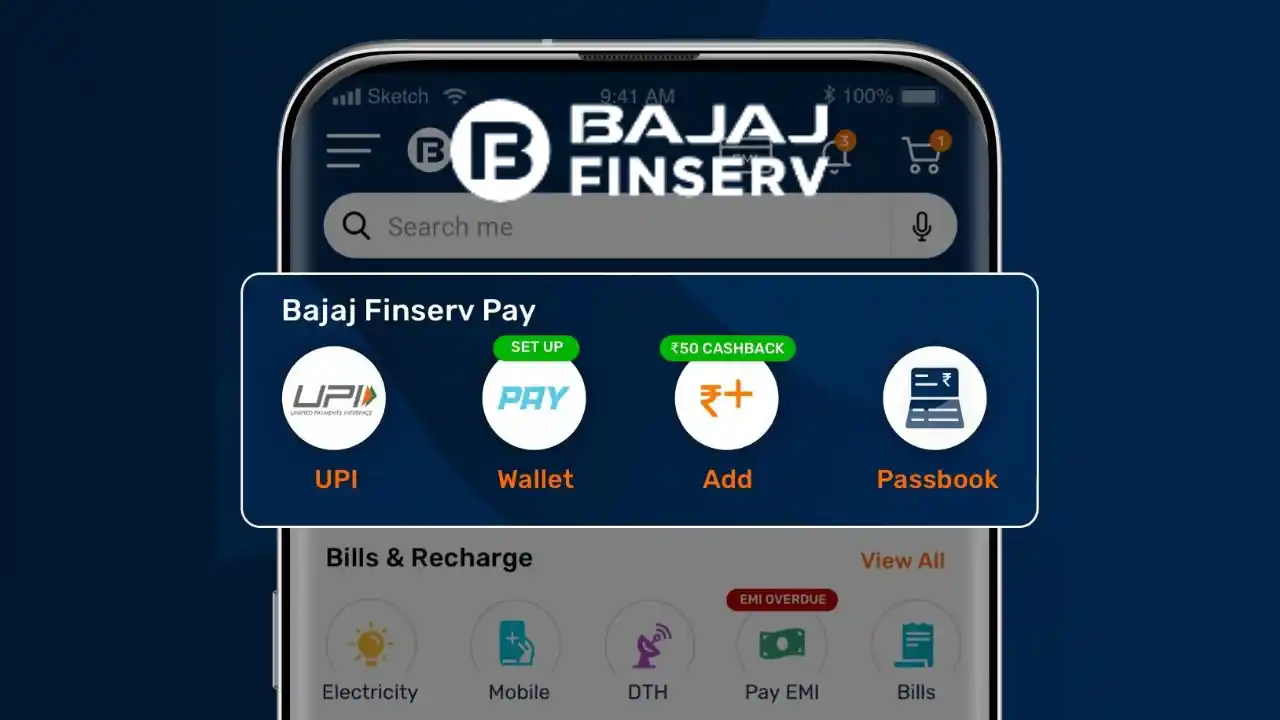
The convenience is significant, but speed should not reduce caution. Users still need to verify recipients, check the amount before authorising, protect their UPI PIN, understand pending transactions, and monitor spending. A payment that takes only a few seconds should still be treated as a financial transaction requiring attention.
A loan app may offer access to borrowed money, but that should remain separate from routine UPI spending. Digital payment convenience does not make borrowing cheaper, and any loan should be evaluated for interest, fees, tenure, and repayment capacity before funds are used.
UPI Works Best When the Recipient Is Verified
Before making any payment, users should check the displayed recipient name.
This is especially important when using:
- QR codes
- UPI IDs
- Mobile numbers
- Saved beneficiaries
- Collect requests
A similar-looking name or identifier can belong to a different person.
The final confirmation screen should always be reviewed before entering the PIN.
QR Code Payments Need the Same Attention
QR codes make merchant payments easy because the user does not need to type payment details manually.
The typical process is:
- Scan the code.
- Confirm the merchant.
- Enter or verify the amount.
- Authorise the payment.
The crucial step is merchant verification.
If the displayed name does not match the intended recipient, the payment should not be completed.
Receiving Money Does Not Require Sharing the UPI PIN
A UPI PIN is generally used to authorise money leaving the account.
Users should be cautious if someone asks them to enter a PIN in order to:
- Receive a refund
- Collect a reward
- Verify an account
- Accept money
The app should always be read carefully before authorisation.
If the screen shows that the user is paying, then money may be debited.
Keep the PIN Private
The UPI PIN should never be shared with:
- Customer-care callers
- Merchants
- Delivery agents
- Friends
- Unknown contacts
The same rule applies to:
- OTPs
- Card PINs
- Internet banking passwords
- Screen-sharing access
A legitimate support process does not require another person to know these credentials.
Check the Amount Before Confirming
Fast payments can create simple errors.
An extra zero can turn ₹500 into ₹5,000.
Before authorising, users should verify:
- Amount
- Recipient
- Payment purpose
This small pause can prevent a difficult recovery process.
Collect Requests Should Be Treated Carefully
A collect request is a request for payment.
It is not the same as receiving money.
Before approving one, check:
- Sender name
- Amount
- Reason
- Whether the request was expected
Unexpected requests should not be approved simply because the sender name looks familiar.
Pending Payments Should Not Be Repeated Immediately
A payment may temporarily show as pending.
This does not automatically mean failure.
Before trying again, users should check:
- Bank balance
- UPI history
- Merchant confirmation
- Transaction reference
A second attempt can create duplicate payment if the first transaction later succeeds.
Understand Different Transaction Statuses
UPI payments may appear as:
- Successful
The transaction has completed.
Pending
The final status is still being processed.
Failed
The transaction did not complete successfully.
Reversed
The amount may have been debited initially and later returned.
Users should respond according to the actual status rather than assuming every delay means failure.
Merchant Confirmation Can Be Delayed
Sometimes the user's app shows success while the merchant has not yet received a notification.
This can happen because of connectivity or device delays.
Before paying again, check:
- Transaction ID
- Debit status
- Recipient
- Amount
The absence of a merchant soundbox alert does not automatically mean the payment failed.
Use UPI History to Track Small Spending
One of the most useful features of digital payments is transaction history.
Small expenses often feel insignificant individually.
For example:
- ₹90 for coffee
- ₹150 for transport
- ₹250 for food
- ₹300 for shopping
Repeated frequently, these can become a major monthly amount.
A weekly review can make spending patterns more visible.
Group Transactions Into Categories
Users can make transaction history more useful by grouping spending into:
- Groceries
- Transport
- Utilities
- Food delivery
- Shopping
- Entertainment
- Subscriptions
This helps identify which areas are increasing.
Simple categorisation can improve budgeting without requiring a complicated finance system.
Set Personal Spending Limits
The bank may allow a relatively high daily transaction limit, but users can create their own behavioural limits.
For example:
- Daily discretionary limit
- Weekly food-delivery budget
- Monthly shopping cap
These limits help prevent digital convenience from encouraging unnecessary spending.
Do Not Chase Offers Without Checking the Purchase
Promotional benefits can sometimes reduce the cost of planned transactions.
However, an offer should not become the reason for spending.
Before using one, check:
- Minimum transaction value
- Merchant eligibility
- Validity period
- Reward amount
- Redemption conditions
Spending more only to qualify for cashback can reduce the real value of the promotion.
Review Linked Bank Accounts
Some users connect several bank accounts to one payment app.
This is convenient but can also create confusion.
Users should know:
- Which account is primary
- Which account will be debited
- Current balance
- Whether old accounts remain linked
Removing unnecessary connections can simplify account management.
Protect the Phone Itself
UPI security also depends on device security.
Useful safeguards include:
- Screen lock
- Biometric access
- Updated operating system
- Official app updates
- Trusted app sources
A lost or compromised device can create risks even if the user normally follows good payment habits.
Act Quickly if the Phone Is Lost
If a phone is lost, users should consider steps such as:
- Blocking the SIM
- Securing banking access
- Changing important passwords
- Locking the device remotely where possible
- Reviewing recent transactions
Waiting until suspicious activity appears can increase the risk.
Avoid Unknown Links
Fraud messages may claim:
- Cashback is waiting
- KYC has expired
- A refund is pending
- The account will be blocked
- A payment failed
Instead of clicking the link, users should open the official app directly.
Urgency is often used to make people skip verification.
UPI Can Support Bill Management
UPI can be used for supported recurring payments such as:
- Electricity
- Broadband
- Mobile bills
- Gas
Users should still:
- Verify the biller
- Check the amount
- Pay before the deadline
- Save the transaction reference
Digital convenience should improve organisation rather than replace it.
Split Shared Expenses Clearly
UPI makes it easy to divide:
- Restaurant bills
- Travel costs
- Household expenses
- Group purchases
For larger amounts, users should keep a simple record showing:
- Total cost
- Individual share
- Amount received
- Balance pending
This reduces confusion between friends or family members.
Review Digital Spending Weekly
A weekly review can help answer:
- Where did most money go?
- Which category increased?
- Were there unnecessary purchases?
- Were any payments duplicated?
This turns UPI history into a practical money-management tool.
Use Credit Only for a Clear Need
Digital payments can make borrowed money feel like ordinary account balance.
That distinction is important.
Users should not rely on credit repeatedly just to support everyday discretionary spending.
Borrowing creates future repayment obligations that remain even after the original purchase is forgotten.
Keep Emergency Savings Separate
Emergency reserves should generally not be mixed with daily spending money.
Separating them can reduce impulse use and improve financial resilience.
The goal is to avoid needing credit for minor unexpected expenses.
Check Offers Without Letting Them Drive Behaviour
A FD can serve a very different financial purpose from UPI, since fixed deposits are generally used for planned savings rather than daily transactions.
Keeping payment money, emergency savings, and longer-term savings in separate buckets can make household finances easier to manage.
Conclusion
upi can make everyday transactions faster, but the quality of its use depends on careful verification and disciplined financial habits.
Users should check recipients and amounts, protect the UPI PIN, understand payment statuses, avoid suspicious links, and monitor transaction history regularly. Using spending limits and reviewing small payments can also prevent convenience from turning into uncontrolled expenditure.
The strongest UPI habits combine speed with attention, security, and clear money management.